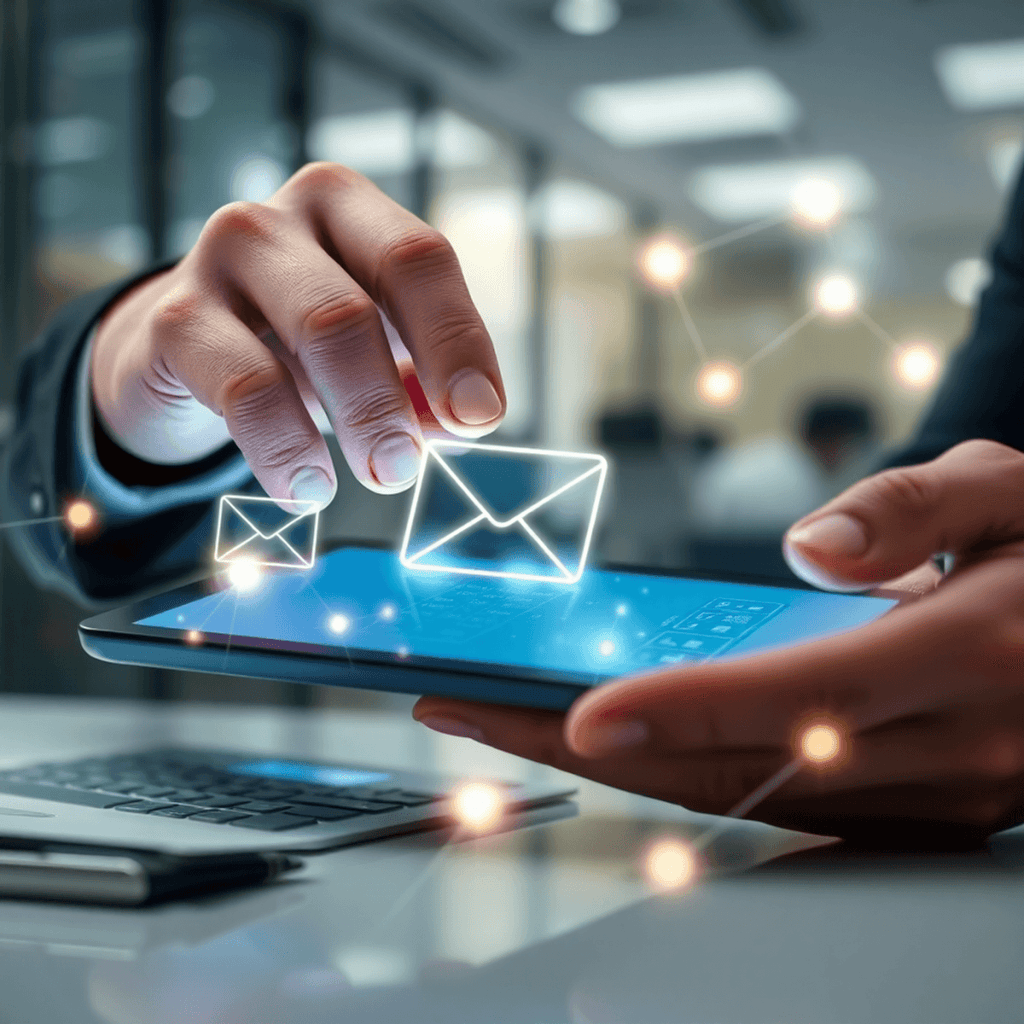
Supplier bank details changed by email scam is a growing form of payment redirection fraud targeting businesses. Criminals impersonate legitimate suppliers or contractors and send fraudulent emails requesting updates to bank account information. When companies comply without proper verification, payments are diverted to accounts controlled by scammers.
This scam poses a significant threat because it exploits trusted business relationships and existing communication channels. The emails often appear genuine, making it difficult for finance teams to detect the fraud. Such scams are closely linked to phishing and business email compromise (BEC) attacks, where attackers use spoofed or compromised email accounts to send convincing requests.
The financial impact on businesses can be severe. Losses include direct payment theft and costs related to investigating and recovering from these incidents. Recognizing the rise of supplier bank details changed scams is critical for companies aiming to protect their financial assets and maintain trust with their suppliers.
Understanding Supplier Bank Details Changed by Email Scam
Supplier bank details changed scams fall under the wider category of payment redirection fraud. Criminals target businesses by impersonating legitimate suppliers or contractors. They exploit trust built through ongoing business relationships to manipulate payment processes.
How Criminals Impersonate Suppliers
Attackers first gather information about the supplier, including business names, email formats, and payment schedules. They use this data to create highly convincing emails that appear to come from trusted contacts. Business email compromise (BEC) plays a crucial role: scammers may gain unauthorized access to genuine supplier email accounts or use sophisticated spoofing techniques that mimic sender addresses closely, making detection difficult for both employees and automated filters.
The Scam Process: Requesting Bank Detail Changes
The scam begins with an email sent to the finance or accounts payable department requesting a change in the supplier’s bank account details. Common reasons given for the change include switching banks, company restructuring, or updates to accounting systems. These emails typically reference existing invoice numbers or previous communications to add authenticity. Because the request appears in an ongoing thread or uses familiar language, recipients are more likely to trust and act on it quickly. Once the fraudulent bank details are accepted and payments made, funds are diverted into accounts controlled by criminals.
Role of Compromised or Spoofed Emails
- Access to a legitimate supplier’s email account allows attackers to monitor real transactions and timing, helping them craft precise requests that match normal business practices.
- Spoofing technology tricks recipients into believing messages originate from known contacts without the need to compromise actual accounts.
- Both methods bypass standard digital security checks when employees rely solely on visual inspection of sender addresses.
Understanding these tactics clarifies why verifying any change in payment instructions through independent channels is critical before processing payments. This awareness forms the foundation for protecting your business against financial losses caused by supplier bank details changed scams.
The Mechanics of Phishing in Supplier Bank Detail Scams
Phishing plays a central role in supplier bank detail scams. Attackers use various phishing tactics to infiltrate business email systems or deceive employees into revealing sensitive information. These methods often involve impersonation, manipulation, and technical deception designed to bypass standard security controls.
Common Phishing Methods Used in Supplier Bank Detail Scams
- Email Spoofing: Criminals forge the sender address to appear as if the email is coming from a trusted supplier or contractor. This can fool recipients into trusting requests for bank detail changes without suspicion.
- Compromised Email Accounts: Attackers gain access to legitimate supplier or employee email accounts through malware, weak passwords, or social engineering. Emails sent from these genuine accounts carry high credibility.
- Man-in-the-Middle (MitM) Scams: In some cases, attackers intercept email communications between a business and its supplier. They insert fraudulent instructions for payment redirection without either party’s knowledge.
- Urgency and Pressure: Phishing emails often contain urgent language demanding immediate action. This reduces the chance of verification and pushes employees to comply quickly.
- Malicious Attachments or Links: Some phishing emails include infected attachments or links that install keyloggers or remote access tools when opened, enabling further access to confidential data.
Phishing Email Examples Related to Supplier Bank Detail Changes
Recognizing phishing email examples helps prevent falling victim to these scams. Below are typical characteristics illustrated through sample messages:
Example 1: Urgent Bank Details Update
Subject: “Urgent: Update Your Records – New Bank Details”
Body:
“Dear Accounts Team,
Due to recent changes in our banking arrangements, please update our payment information immediately. Find the new bank details below and process all outstanding invoices accordingly. Please treat this as urgent to avoid payment delays.”
Sender: Appears as a known supplier but uses a slightly altered email domain (e.g., @supplier-co.com instead of @supplierco.com).
Example 2: Account Compromise Notification with Payment Change Request
Subject: “Important: Change in Payment Details”
Body:
“We have recently experienced a security breach and must change our payment account for your upcoming invoices. Kindly update your records using the attached document with new banking info.”
Attachment: A PDF supposedly containing updated bank details but actually designed to infect devices or harvest credentials.
Example 3: Reply Hijacking (Man-in-the-Middle)
An attacker quietly monitors ongoing email exchanges between a company and its supplier. When an invoice is due, they send an email reply within the same thread asking for payment to be redirected to a new account “due to accounting system upgrades.” The message appears legitimate since it’s part of an existing conversation.
Identifying Tactics Behind These Phishing Attempts
Understanding attacker techniques improves detection:
- Use of slight misspellings or domain variations for spoofed emails.
- Requests that bypass normal protocols for verifying bank detail changes.
- Unusual phrasing inconsistent with prior communications from the supplier.
- Unexpected urgency that discourages double-checking details.
- Attachments prompting downloads with vague explanations.
These phishing tactics often work because they exploit knowledge of business processes and rely on trust built over time between companies and their suppliers.
Business Email Compromise (BEC) and Its Impact on Supplier Bank Detail Scams
Business Email Compromise (BEC) is a highly targeted cybercrime where attackers infiltrate or spoof legitimate business email accounts to manipulate employees into transferring funds or sensitive information. Unlike general phishing scams, which often rely on mass-distributed fraudulent emails, BEC operates with precision. It exploits trust within established communication channels, using authentic-looking emails to deceive recipients.
In the context of supplier bank details changed by email scam, BEC plays a pivotal role. Attackers gain control over supplier or internal employee email accounts or convincingly spoof them. This access allows criminals to send requests for invoice payments to be redirected to fraudulent bank accounts. The scam leverages the natural trust businesses place in their suppliers and the routine nature of invoice processing.
Differentiating BEC from General Phishing
Phishing aims at broad targets with suspicious links or attachments designed to trick users into giving up credentials.
BEC involves targeted infiltration or impersonation, focusing on manipulating financial transactions directly.
BEC attacks are more sophisticated and personalized, often avoiding typical phishing red flags.
Financial Impact of BEC in Supplier Bank Detail Scams
The financial repercussions of BEC-related supplier fraud are substantial:
- According to the FBI’s Internet Crime Complaint Center (IC3), losses attributed to BEC scams exceeded $2 billion annually in recent years.
- Investigations reveal that a significant portion of these losses stem from payment redirection fraud involving fake supplier bank details.
- Businesses suffer not only direct monetary loss but also operational disruptions, legal costs, and reputational damage.
Case Studies Illustrating the Scope of the Problem
A mid-sized manufacturing firm lost over $500,000 after an attacker compromised its procurement email account. The attacker sent an email requesting changes to the supplier’s bank details for several large invoices. Payments were made before independent verification could occur.
An international retail company experienced a similar breach where multiple vendor invoices were redirected to fraudulent accounts over several months. The total financial impact exceeded $1 million.
These examples underscore how attackers exploit familiarity and urgency within existing business workflows. With compromised or spoofed emails appearing legitimate, employees may bypass standard verification procedures—leading directly to costly errors.
Key Points on Financial Risks
Invoice fraud through BEC targets supplier payments as a lucrative opportunity.
Attackers use detailed knowledge of payment schedules and accounting processes.
Recovery of funds is difficult once transferred; prevention is critical.
This specialized form of BEC demands heightened vigilance around any changes to payment instructions, especially those communicated via email channels.
Recognizing Phishing Emails and Scams Related to Supplier Bank Details Changes
Identifying phishing email signs is crucial to preventing supplier bank detail scams. These scams often use emails that look legitimate but carry subtle clues indicating fraud. Being able to spot these suspicious emails helps protect your business from financial loss.
Common Signs of Phishing Emails Targeting Supplier Payment Information
1. Urgent or Pressure Language
Scammers create a sense of urgency, pushing you to act quickly without thorough verification. Phrases like “immediate payment required”, “urgent update needed”, or “payment delayed unless details are updated now” are red flags.
2. Unexpected Requests for Bank Detail Changes
If you receive an email requesting changes in supplier bank information unexpectedly, treat it with suspicion. Legitimate suppliers rarely change payment details without prior notice through established communication channels.
3. Email Address Discrepancies
Look closely at the sender’s email address. Spoofed emails often mimic a real address but may have minor differences, such as misspellings, additional characters, or unusual domains (e.g., supplier@company.co instead of supplier@company.com).
4. Poor Grammar and Spelling Mistakes
Many phishing emails contain awkward phrasing or spelling errors not typical of professional suppliers.
5. Requests to Bypass Normal Procedures
Emails insisting on skipping standard verification or approval processes should raise suspicion. Scammers want to avoid scrutiny by bypassing usual checks.
6. Unusual Attachments or Links
Unexpected attachments or links asking you to download files or enter sensitive information could contain malware designed to compromise your systems.
How to Identify Suspicious Requests for Bank Detail Changes
1. Verify Through Independent Channels
Always confirm any bank detail change by contacting the supplier directly using known phone numbers or official contact methods separate from the email thread.
2. Check for Consistency with Previous Communications
Compare the new request with past correspondence. Legitimate changes usually come with clear explanations and advance notice.
3. Request Written Confirmation on Official Letterhead
For critical financial changes, ask suppliers for confirmation on company letterhead or via signed documents.
4. Confirm Account Holder Name Matches Supplier Records
Use available tools like payee-name verification services where possible to ensure the bank account matches the registered supplier name.
5. Look Out for Secrecy Requests
Fraudsters often ask recipients not to disclose the change request internally, hoping to avoid detection through internal controls.
Phishing email signs frequently blend into everyday business communications but spotting these scam indicators early stops fraudulent payments before they happen.
Recognizing these warning signs empowers you and your team to act decisively and prevent costly mistakes involving supplier payments.
Reporting and Handling Phishing Attempts in Outlook and Other Platforms
Dealing with phishing emails promptly is crucial to prevent supplier bank detail scams from causing financial damage. Reporting suspicious emails quickly allows your organization’s security teams to act and mitigate risks.
How to Report Phishing Emails in Outlook
Outlook offers built-in tools designed to make reporting phishing attempts straightforward.
- Select the Suspicious Email: Open your inbox and highlight the email you suspect is a phishing attempt.
- Use the Report Feature on Desktop: Click the “Report Message” or “Report Phishing” button in the toolbar. If you don’t see it, check under the “More actions” (three dots) menu.
- Use the Report Feature on Outlook Web Access (OWA): Select the email, click the three dots next to “Reply,” and choose “Mark as phishing.”
- Confirm Your Action: Outlook usually prompts you to confirm reporting. Approve this action to submit the email directly to Microsoft for analysis.
- Notify Your IT or Security Team: Forward the suspicious email, if required by your company policy, to your internal security or incident response team using a dedicated reporting address.
Many organizations customize Outlook with additional add-ins that improve phishing detection and reporting capabilities. Check if your company uses such tools for enhanced email security.
Reporting in Other Popular Email Clients
- Gmail: Use the dropdown arrow next to the reply button and select “Report phishing.” Gmail sends the message for analysis and blocks similar threats.
- Apple Mail: Forward the suspected message as an attachment to your IT department or use third-party security tools integrated into your mail client.
- Thunderbird: Manually forward suspicious emails following organizational protocol, as native phishing reporting features vary.
Best Practices for Handling Suspected Phishing Attempts
- Do not interact with links or attachments before verification.
- Avoid replying directly to suspicious requests, especially those involving bank detail changes.
- Immediately report any suspected phishing email using your company’s designated channels.
- Use email security tools such as anti-phishing filters and sandboxing technology that analyze messages before they reach inboxes.
- Maintain a clear incident response plan covering investigation, containment, communication, and recovery after a phishing attempt is reported.
- Train staff regularly on how to use phishing reporting features in their specific email clients, as familiarity speeds up reaction times.
- Establish escalation protocols so critical threats receive immediate attention from cybersecurity teams.
Importance of Quick Reporting
Phishing emails targeting supplier bank details often exploit time pressure or attempt to bypass normal controls. Rapid identification and reporting reduce the window attackers have to succeed. Early intervention helps block further malicious emails sent from compromised accounts within your network or supplier organizations.
Incorporating these practical measures strengthens your organization’s resilience against business email compromise (BEC) scams involving fraudulent bank detail changes.
Preventive Measures to Stop Supplier Bank Detail Email Scams
Verifying any changes in supplier bank details through independent communication channels is critical before processing payment requests. Do not rely solely on email replies or responses within the same email thread. Use trusted phone numbers or official contact information previously verified to confirm updates in payment instructions. This independent verification step prevents falling prey to fraudulent requests originating from compromised or spoofed email accounts.
Corporate policies designed to reduce the risk of becoming a victim of supplier bank detail scams focus on multiple layers of security and employee vigilance:
- Implement Multi-Factor Authentication (MFA): Add an extra layer of protection for accessing email accounts, financial systems, and supplier databases. MFA reduces the chances that attackers can gain control over accounts even if credentials are compromised.
- Establish Clear Verification Protocols: Create documented procedures requiring staff to verify any change in payment details independently. This includes calling suppliers using pre-existing contact information and confirming the legitimacy of requests before updating records or making payments.
- Regular Employee Training: Educate employees about the nature of supplier bank details changed by email scam and the tactics used by criminals. Training should focus on recognizing suspicious emails, verifying unusual requests, and knowing whom to report concerns within the organization.
- Segregation of Duties: Divide responsibilities so that no single person can authorize vendor payment changes without additional approvals. This internal control limits opportunities for fraud to succeed undetected.
- Use Confirmation Tools Where Available: In regions where services like Confirmation of Payee exist, integrate these into payment workflows to validate that the account name matches the intended payee before funds are transferred.
- Maintain Up-to-Date Supplier Records: Keep supplier contact details current and secure separately from payment data. This ensures verification calls reach legitimate contacts rather than potential imposters.
- Monitor Payment Patterns: Set up alerts for changes in payment behavior, such as frequent bank detail updates or unusual high-value transactions. Early detection helps stop fraudulent payments before they clear.
Embedding these cybersecurity policies into organizational culture strengthens defenses against supplier bank detail scams. The combination of technology safeguards with rigorous verification practices forms a robust barrier that attackers find difficult to bypass.
Building Employee Awareness Against Phishing and BEC Scams Targeting Supplier Payments
Employee training is a fundamental defense against supplier payment fraud, particularly scams involving phishing and business email compromise (BEC). These scams exploit human error and lack of awareness, making regular education on recognizing suspicious activity essential.
Importance of Regular Education on Scam Recognition
Employees often serve as the first line of defense. Their ability to identify unusual requests or email anomalies can prevent costly mistakes.
Training should emphasize specific risks associated with supplier bank detail changes, highlighting real-world examples to underline potential consequences.
Frequent updates ensure staff stay informed about evolving scam tactics and emerging threats.
Effective Training Methods for Phishing Awareness Programs
Employee training programs must be interactive, engaging, and continually refreshed to maintain vigilance:
1. Simulated Phishing Exercises
Regularly send fake phishing emails mimicking supplier bank details change requests.
Track responses to assess employee awareness, followed by targeted feedback and coaching.
2. Workshops and Webinars
Use scenario-based learning focusing on identifying red flags in payment-related emails.
Encourage discussion about best practices for verifying unusual payment instructions independently.
3. Visual Aids and Quick Reference Guides
Distribute checklists summarizing common signs of phishing attempts, such as unexpected urgency or email domain inconsistencies.
Post reminders near workstations or shared digital platforms to reinforce cautious behavior.
4. Role-Specific Training
Tailor sessions for finance, procurement, and accounts payable teams who handle supplier payments directly.
Include case studies demonstrating how scams bypass standard controls when employees are unprepared.
Awareness Campaigns Focused on Supplier Payment Scams
Creating a culture of security awareness requires consistent communication beyond formal training:
- Launch internal campaigns highlighting stories of attempted fraud within or outside the organization.
- Use newsletters, posters, intranet articles, and short video clips to keep scam awareness top of mind.
- Promote a “see something, say something” approach where employees feel empowered to report suspicious emails without hesitation.
Strengthening Internal Controls with Employee Engagement
Awareness alone is not enough; integrating employee vigilance into internal controls boosts effectiveness:
- Encourage strict adherence to verification protocols through team accountability measures.
- Implement clear reporting channels for suspected phishing attempts and ensure rapid response procedures.
- Recognize employees who demonstrate strong security practices to foster positive reinforcement.
Embedding phishing awareness into daily routines transforms employees into active participants in fraud prevention. This reduces the likelihood that supplier bank detail scams slip through unnoticed, protecting your business from significant financial risk.
Legal and Financial Consequences of Falling Victim to Supplier Bank Detail Email Scams
Businesses targeted by supplier bank detail email scams face significant legal implications and challenges related to financial loss recovery. The consequences often extend beyond immediate monetary loss, impacting reputation, regulatory compliance, and future liability.
Legal Ramifications
- Breach of Contract and Fiduciary Duty: Companies may be held accountable if they fail to exercise due diligence in verifying payment instructions. This can lead to disputes with suppliers or clients over unpaid invoices or misdirected funds.
- Data Protection and Privacy Laws: If a scam involves compromised personal data or corporate information, businesses might face penalties under regulations such as GDPR or CCPA. Failure to safeguard sensitive supplier data increases legal exposure.
- Regulatory Investigations: Depending on jurisdiction, authorities may launch investigations into internal controls and cybersecurity practices following a fraud incident. Non-compliance with industry standards can result in fines or operational restrictions.
- Contractual Penalties and Litigation: Suppliers may initiate legal action for breach of contract if payments are delayed or lost due to fraudulent bank details changes. Recovering damages through courts can be lengthy and costly.
Challenges in Financial Loss Recovery
- Difficulty Tracing Funds: Once money is transferred to criminals’ accounts, recovery becomes complex. Fraudsters often use multiple accounts across jurisdictions or convert funds into cryptocurrencies.
- Bank Liability Limits: Financial institutions typically hold limited liability for losses caused by sophisticated scams like Business Email Compromise (BEC). Banks may refuse reimbursement if internal controls were insufficient.
- Insurance Coverage Gaps: Not all cyber insurance policies cover supplier bank detail fraud explicitly. Claims might be denied if the company failed to follow recommended verification procedures.
Minimizing Fraud Liability Through Proactive Measures
Taking strong preventive steps helps reduce both the risk of falling victim and potential liability:
- Implement Rigorous Verification Protocols
- Treat any request for changing supplier bank details as high-risk. Always confirm changes via independent communication channels such as verified phone numbers or official websites.
- Maintain Clear Documentation
- Record all communications related to payment instructions and verification activities. Detailed logs can provide evidence in legal disputes or insurance claims.
- Establish Multi-Layered Approval Processes
- Require multiple authorizations for unusual or high-value payments, especially when bank details are modified.
- Invest in Employee Training and Awareness Campaigns
- Educate staff regularly about evolving scam tactics, emphasizing the importance of skepticism toward urgent payment requests.
- Engage Legal Counsel Early
- Consult legal experts promptly after detecting a scam attempt to navigate reporting obligations and limit exposure.
Legal consequences from supplier bank detail scams underline the importance of combining technical safeguards with procedural rigor. The complexities surrounding financial loss recovery call for swift action and careful adherence to established anti-fraud controls to protect your business’s financial health and reputation.
Conclusion
Protecting your business from the supplier bank details changed by email scam requires proactive measures. By implementing and reinforcing fraud prevention strategies centered around vigilance and verification, you can significantly reduce risks.
Key steps to stop supplier bank details scam include:
- Implementing thorough verification procedures: Always confirm any requested changes to supplier payment information through independent channels such as phone calls or official websites. Never rely solely on email communications, especially those that appear urgent or unusual.
- Establishing multi-level approval processes: Require multiple sign-offs for any change in bank details or large payments. This creates internal checks that help catch fraudulent requests before funds are redirected.
- Conducting regular employee training: Educate your team about the characteristics of phishing attempts, BEC scams, and supplier fraud. Awareness campaigns should emphasize recognizing suspicious emails, verifying requests, and reporting incidents promptly.
- Utilizing technology wisely: Employ email filtering tools and scam detection software to flag dubious messages but remember these tools complement rather than replace human judgment.
- Documenting all verification steps: Keeping records of communications and approvals related to supplier bank detail changes ensures accountability and supports investigations if fraud occurs.
Commitment at every level of your organization strengthens your defenses against these scams. The financial and reputational costs of falling victim can be devastating. By embedding strong policies, continuous education, and reliable verification into your operations, you create a resilient environment where such fraud attempts are less likely to succeed.
Take action today to safeguard your business finances—stop supplier bank details scam before it happens through vigilance, verification, and preparedness.
FAQs (Frequently Asked Questions)
What is a supplier bank details changed by email scam and why is it a growing threat to businesses?
A supplier bank details changed by email scam involves criminals impersonating suppliers or contractors to fraudulently request changes to payment bank account information via email. This scam is increasingly prevalent due to its connection with phishing and business email compromise (BEC), posing significant financial risks to businesses.
How do criminals carry out payment redirection fraud through supplier impersonation?
Criminals typically use compromised or spoofed emails to impersonate legitimate suppliers or contractors. They send fraudulent requests to change bank account details, redirecting payments to their own accounts. This process exploits vulnerabilities in email security and business communication protocols.
What are common phishing tactics used in supplier bank detail scams, and how can I recognize phishing emails?
Phishing tactics include sending deceptive emails that appear legitimate but contain urgent language or unexpected requests for bank detail changes. Examples include man-in-the-middle scams and spoofed sender addresses. Recognizing signs such as inconsistencies in email addresses, unusual requests, and pressure for immediate action can help identify these scams.
How does Business Email Compromise (BEC) differ from general phishing scams related to supplier bank detail changes?
BEC specifically involves the targeted compromise of legitimate business email accounts to conduct fraudulent activities like invoice fraud and payment redirection. Unlike general phishing, which casts a wide net, BEC is more sophisticated and personalized, often leading to substantial financial losses for businesses.
What steps should I take to report and handle suspected phishing attempts regarding supplier bank details in Outlook or other platforms?
To report phishing emails, use built-in features like the ‘Report Phishing’ option in Outlook or similar tools in other email clients. Organizations should establish clear incident response protocols, encourage quick reporting, and employ email security tools to mitigate risks associated with suspected phishing attempts.
What preventive measures can businesses implement to stop supplier bank detail email scams effectively?
Businesses should verify any changes in supplier bank details through independent communication channels such as phone calls before processing payments. Implementing corporate policies like multi-factor authentication, employee training programs focused on phishing awareness, and robust cybersecurity measures can significantly reduce the risk of falling victim to these scams.






Leave a Reply