Introduction
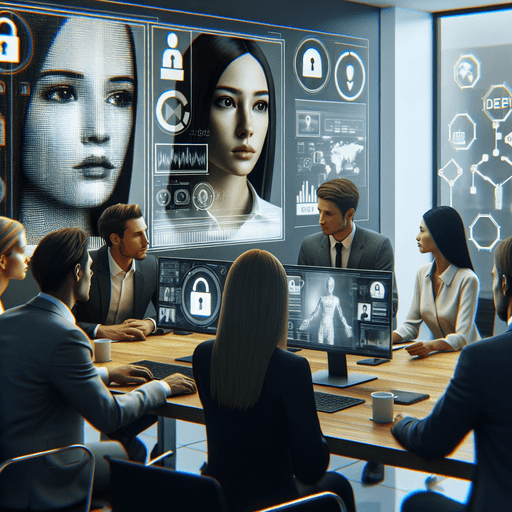
Deepfakes are synthetic media created using artificial intelligence (AI) and machine learning techniques. They have become a significant threat to cybersecurity. With these technologies, it is now possible to generate audio, video, or images that look incredibly realistic and can be mistaken for genuine content.
It is essential for modern enterprises to address the dangers posed by deepfakes. Cybercriminals use these tools to impersonate individuals, resulting in identity theft, unauthorized access to systems, and the spread of false information. The potential damage to reputation is significant, as deepfakes can deceive audiences and create confusion.
In this article, you will learn:
- How deepfakes are generated using AI and machine learning.
- The threat landscape and real-world impact of deepfake scams.
- Best practices and advanced technologies for detecting and combating deepfakes.
- Current regulations and future trends in cybersecurity related to deepfakes.
- Strategies for fostering a culture of security awareness within organizations.
Understanding Deepfakes
Deepfakes are created using AI technology and machine learning algorithms. These forms of synthetic media use deep neural networks, specifically generative adversarial networks (GANs), to produce realistic audio, video, or images that imitate real-life appearances and sounds.
How Deepfakes Are Generated
The process generally involves:
- Data Collection: Gathering extensive datasets of the target individual’s voice, facial expressions, and movements.
- Training the Model: Using machine learning algorithms to train a model on this data, enabling it to generate new content that closely resembles the original.
- Generating Content: Employing GANs where two neural networks—a generator and a discriminator—work together. The generator creates synthetic media while the discriminator evaluates its authenticity, iteratively improving the quality.
Types of Deepfake Content
Deepfakes can take various forms:
- Audio Deepfakes: Synthetic voices generated to sound like specific individuals. Used in scams where attackers impersonate CEOs or other high-ranking officials. Navigating deepfakes and voice cloning is crucial for safeguarding against such threats.
- Video Deepfakes: Manipulated videos where a person’s face or entire body is replaced or altered. Commonly used in misleading social media posts or fraudulent activities.
- Image Deepfakes: Static images altered to depict situations or individuals falsely. Often circulated online to spread misinformation or defame individuals.
Understanding these components is crucial for recognizing how deepfake technology can be weaponized and the types of content that might be manipulated.
The Threat Landscape of Deepfakes
Cybercriminals are using deepfake technology to carry out social engineering attacks, taking advantage of the realistic nature of these fake media to deceive and manipulate. These attacks often involve pretending to be important people or employees in order to gain unauthorized access to sensitive information or systems.
Key Exploitation Methods
- Phishing: Deepfake audio and video messages can be used to create convincing phishing scams, tricking victims into divulging confidential information.
- Impersonation: Cybercriminals use deepfakes to imitate executives or public figures, facilitating fraudulent financial transactions and unauthorized access.
- Misinformation: Deepfakes spread false information, influencing public opinion and causing reputational damage.
Case Studies
- CEO Fraud: In 2019, a UK-based energy firm lost $243,000 after cybercriminals used AI-generated audio to impersonate the CEO of its German parent company. The scammers convinced the firm’s managing director to transfer funds to a fraudulent account.
- Election Interference: During political campaigns, deepfake videos of candidates have been circulated on social media platforms to sway voter perceptions and undermine trust in democratic processes.
These examples highlight the significant risks that deepfakes pose to cybersecurity. Organizations need to stay alert and implement strong security measures to detect and counter these advanced threats.
Real-world Impact of Deepfake Scams
Financial loss from deepfakes has become a harsh reality for many organizations. One notable incident involves a UK-based energy firm where cybercriminals used AI-generated audio to impersonate the CEO, resulting in a fraudulent transfer of €220,000. This scam highlights the sophistication and potential financial damage deepfakes can cause.
Recent deepfake scams also include cases where individuals were targeted for identity theft. For instance, attackers have used video deepfakes to trick financial institutions into approving high-value transactions. These scams not only lead to significant monetary losses but also undermine trust in digital communication channels.
The consequences of deepfake technology extend beyond financial aspects. Businesses suffer reputational damage when manipulated media spreads false information about their operations or leadership. The emotional toll on individuals, who are often left defending their integrity against fabricated content, is profound.
By looking at these examples, you can understand the severe impact of deepfake scams on both personal and professional levels.
Cybersecurity Measures Against Deepfakes
To counter the sophisticated nature of deepfake threats, organizations must adopt a series of best practices. Implementing multifactor authentication (MFA) is crucial. This adds an extra layer of security beyond just passwords, making it significantly harder for cybercriminals to gain unauthorized access, even if they use deepfakes.
Verification processes in cybersecurity play a pivotal role in identifying and mitigating deepfake risks. Organizations should incorporate:
- Enhanced Training Programs: Educate employees about the potential risks and signs of deepfake technologies.
- Regular Audits: Continuously review and update security protocols to ensure they are robust against emerging threats.
- Out-of-Band Verification: Use alternative communication channels to verify sensitive transactions or communications. This ensures that even if one channel is compromised, others remain secure.
- Deepfake Detection Tools: Invest in advanced detection technologies capable of analyzing audio, video, and images for signs of manipulation.
Creating a culture of vigilance within the organization is equally important. Encourage employees to report suspicious activities and anomalies promptly. By leveraging both technology and human awareness, companies can better safeguard against digital deception.
Advanced Technologies for Detection
Emerging technologies are leading the fight against deepfakes. These advanced solutions are designed to identify and neutralize deepfake content before it can cause harm.
1. AI-based Detection Tools
Cutting-edge algorithms analyze inconsistencies in audio, video, and images that are often undetectable to the human eye. Tools like Deepware Scanner and Sensity.ai use machine learning models to scan media for signs of manipulation.
2. Biometric Verification Systems
Leveraging biometric data such as facial recognition and voice patterns provides a robust defense against impersonation attempts. For example, systems like iProov offer real-time verification by analyzing unique facial movements.
3. Blockchain Technology
By creating immutable records of digital content, blockchain can verify the authenticity of media files. Projects such as Amber Authenticate embed cryptographic proofs in video streams, ensuring their integrity.
4. Forensic Analysis Software
Programs like Amped Authenticate examine metadata, compression artifacts, and other digital traces left behind by editing tools to detect tampered content.
These technologies collectively enhance an organization’s ability to discern genuine content from fabricated media, bolstering overall cybersecurity frameworks.
Regulatory Framework Surrounding Deepfakes
The regulation of AI technology, including deepfakes, is an area that governments and international bodies are increasingly focusing on. Since this is a developing area, current regulations vary widely but generally aim to mitigate the risks associated with AI-generated content.
Key Regulations and Guidelines
1. U.S. Federal Agencies
- The National Defense Authorization Act (NDAA) includes provisions specifically targeting deepfakes, mandating research and development to counteract these threats.
- Agencies like the NSA, FBI, and CISA provide guidelines on best practices for organizations to mitigate deepfake risks.
2. European Union
- The EU’s General Data Protection Regulation (GDPR) indirectly addresses some concerns related to deepfakes by emphasizing data integrity and security.
- The proposed Artificial Intelligence Act outlines specific requirements for high-risk AI systems, potentially including deepfake technologies.
3. China
- China has introduced regulations requiring that synthetic media be clearly labeled to distinguish it from genuine content.
Challenges in Regulation
- Global Consistency: Different countries have varying levels of regulation, making it challenging for multinational organizations to comply uniformly.
- Technological Advancement: Rapid advancements in AI outpace the speed at which new regulations can be developed and enforced.
- Enforcement Mechanisms: Effective enforcement of these regulations requires cutting-edge detection technologies, robust legal frameworks, and international cooperation.
Industry Standards and Ethical Guidelines
- Several industry bodies are developing standards to ensure ethical use of AI technology. These guidelines often focus on transparency, accountability, and user consent.
- Organizations are encouraged to adopt internal policies that align with these standards to demonstrate their commitment to ethical AI practices.
Regulation of AI technology is crucial in addressing cybersecurity concerns related to deepfakes. As regulatory frameworks continue to evolve, businesses must stay informed and adapt their practices accordingly.
Future Trends in Cybersecurity and Deepfakes
The rise of AI-generated threats like deepfakes is driving significant changes in cybersecurity strategies. Here are some key trends to watch out for:
1. Increasing adoption of zero trust architecture
One notable trend is the increasing adoption of zero trust architecture. This model operates on the principle of “never trust, always verify,” ensuring that every access request is thoroughly authenticated and authorized, regardless of its origin within or outside the network. By assuming that threats can exist both inside and outside traditional perimeters, zero trust architecture minimizes the risk posed by sophisticated deepfake attacks.
2. Shift towards passwordless authentication
Another emerging trend is passwordless authentication. Traditional passwords are becoming obsolete due to their vulnerability to phishing and social engineering attacks. Passwordless solutions leverage biometric data, cryptographic keys, and multifactor authentication (MFA) to enhance security. These methods are particularly effective against deepfake threats as they complicate the process for attackers attempting to impersonate legitimate users.
3. Rethinking conventional cybersecurity measures
Deepfakes require us to rethink our traditional approaches to cybersecurity. Unmasking the threat: Deepfakes and the future of cybersecurity is an ongoing challenge that demands continuous innovation and adaptation. As deepfake technology evolves, so must our defenses, incorporating advanced detection tools, robust authentication systems, and adaptive security models.
By integrating these advanced technologies, organizations can better protect themselves from the growing menace of digital deception. Maintaining a proactive stance on cybersecurity ensures readiness against ever-evolving threats in this digital age.
Preparing for the Era of Digital Deception
To combat deepfake threats, organizations need to create a culture of security awareness. This involves implementing best practices for employee training against deepfakes. Here are some key strategies:
- Regular Training Sessions: Conduct frequent workshops to educate employees about the latest deepfake technologies and how to identify potential threats.
- Simulation Exercises: Run mock scenarios involving deepfakes to help staff recognize and respond effectively to such incidents.
- Clear Reporting Protocols: Establish procedures for reporting suspicious activities and ensure that all employees are aware of these protocols.
- Continuous Updates: Keep training materials and policies up-to-date with the latest developments in deepfake technology and cybersecurity measures.
Security awareness programs should be an integral part of the organizational culture, aiming to make every employee vigilant against digital deception. This proactive approach not only reduces risks but also strengthens the overall cybersecurity posture of the organization.
Conclusion
Organizations must invest in training and technology to effectively safeguard against digital deception. Addressing trust and authentication challenges is crucial. Implementing robust cybersecurity measures, such as multifactor authentication and advanced detection tools, is essential. Prioritizing security awareness within the workforce ensures that employees are vigilant against deepfake threats. Regularly updating cyber liability policies can also provide an additional layer of protection. By taking these proactive steps, organizations can better defend themselves against the sophisticated risks posed by deepfakes.
FAQs (Frequently Asked Questions)
What are deepfakes and how are they created?
Deepfakes are synthetic media generated using artificial intelligence (AI) and machine learning techniques. These technologies enable the creation of realistic audio, video, and images that can mimic real individuals, often leading to digital deception.
Why is it important for enterprises to address deepfake threats?
Addressing deepfake threats is crucial for modern enterprises as these deceptive technologies can be exploited by cybercriminals for malicious purposes, including identity theft and social engineering attacks, potentially resulting in significant financial and reputational damage.
What types of content can be classified as deepfakes?
Deepfake content can include various forms of synthetic media such as manipulated videos, altered audio recordings, and modified images. Each type utilizes AI technology to create convincing yet false representations.
What measures can organizations take to mitigate risks associated with deepfakes?
Organizations can implement best practices such as establishing robust verification processes, utilizing multifactor authentication (MFA), and fostering a culture of security awareness among employees to prepare for and mitigate the risks posed by deepfakes.
What emerging technologies are being developed to detect deepfakes?
Emerging technologies designed to combat deepfakes include advanced detection algorithms that analyze biometric data and other indicators of authenticity. These technologies aim to identify manipulated content before it can cause harm.
How is the regulatory framework evolving in response to deepfake technology?
The regulatory framework surrounding AI technology is evolving to address cybersecurity concerns related to deepfakes. Current regulations focus on establishing guidelines for responsible AI use and protecting individuals from the potential harms of digital deception.






 SME IT News
Leave a comment